-50%
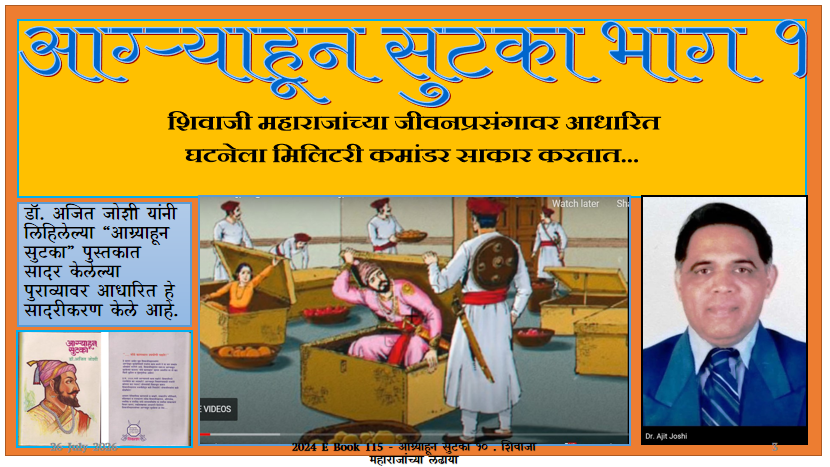


Title: E-Book 115: आग्र्याहून सुटका (Escape from Agra)
Subtitle: शिवाजी महाराजांच्या जीवनातील अद्भूत घटना — मिलिटरी कमांडरच्या दृष्टिकोनातून विश्लेषण
Author / Analysis: Wing Commander Shashikant Oak (Based on research by Dr. Ajit P. Joshi, Shivpratap Prakashan)
Perspective: Joint-Services Military Strategy, Counter-Intelligence & Operational Logistics
Format: Fixed-Layout Presentation Slide Monograph (Digital PDF)
Price: ₹200
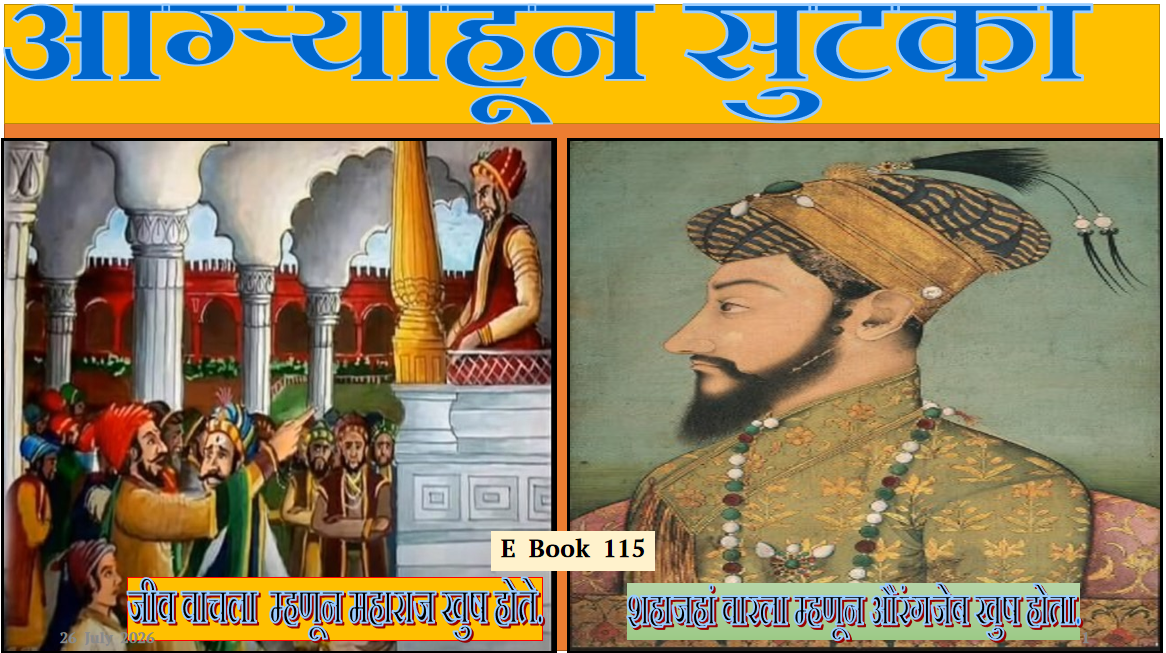
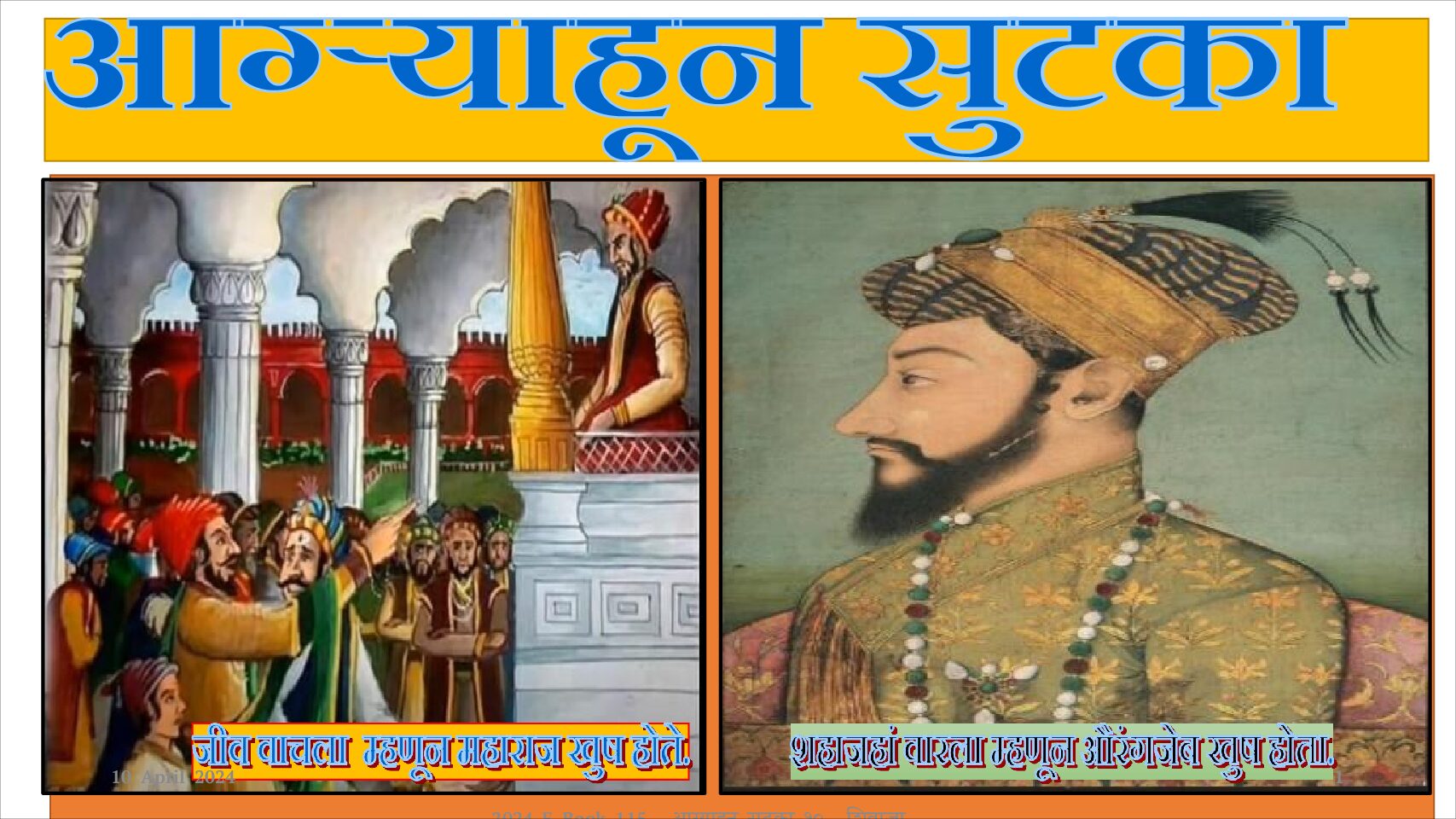
This monograph presents a critical military and strategic re-evaluation of Chhatrapati Shivaji Maharaj’s legendary escape from Mughal house arrest in Agra in 1666. Moving beyond traditional folklore—such as the popular myth of hiding inside sweet baskets (पेटाऱ्याची कथा)—this study examines the operation through the lens of modern Counter-Intelligence, Deception Operations, and Evasion Tactics.
Based on historical evidence, contemporary Mughal Akhbarat (court dispatches), and Rajasthan letters, the research reveals that Shivaji Maharaj actually departed Agra around 22 July 1666—nearly a month before the alarm was raised on 18 August 1666.
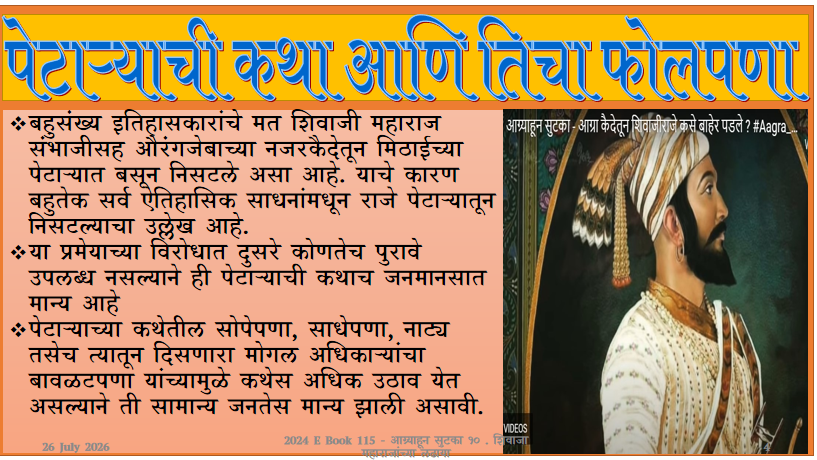
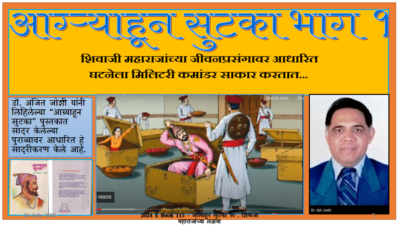
Fallacy of the Sweet Basket Myth: Analysis showing why physical concealment inside bamboo baskets was tactically impossible due to multi-layered Mughal security checkpoints, physical physical strain, lack of weaponry, and thorough inspection protocols.
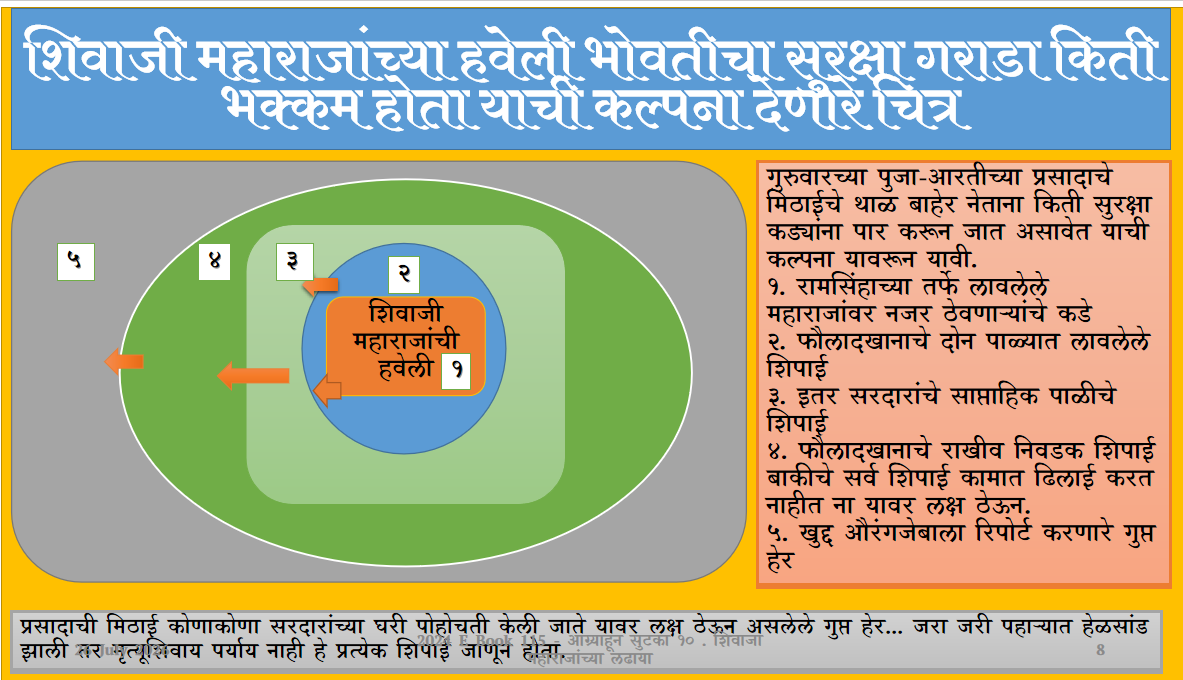
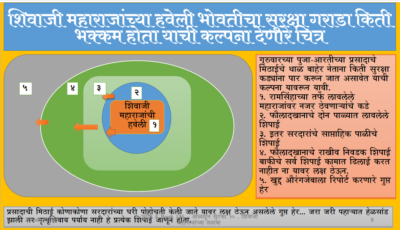
Five-Ring Security Envelope: Mapping the 5 defensive rings placed around Shivaji Maharaj’s Agra residence (Jaipur House / Golpura) by Aurangzeb, Parkaldas, Faulad Khan, and Mughal spies.
Operational Decoy & Substitution: Strategic deployment of Niraji Raoji to impersonate the King under covers during illness, followed by Hiroji Farjand for the final 24 hours to maximize delay before the breakout was discovered.
Religious Event as Cover: Utilizing a grand religious feast and charity ceremony (दान-समारंभ) organized by Kavindra Paramanand on 22 July to create widespread crowd friction, relax security vigilance, and allow Maharaj to exit disguised as a Brahmin priest.
Evasion Route & Cavalry Logistics: Detailed cartographic breakdown of the 700-mile, 50-day evasion route traversing Dholpur, Gwalior, Narwar, Sironj, Sehore, Handia (Narmada crossing), Burhanpur, and Chandwad (Manohargad) back to Rajgad.
Historical Context: The Treaty of Purandar (1665) and the Invitation to Agra
Critique of Popular Myths: Deconstructing the Sweet Basket Narrative via Logistics and Security Analysis
Terrain & Security Mapping: The 5-Ring Security Cordons surrounding Jaipur House, Agra
Timeline Analysis: Resolving the Date Discrepancies (22 July Exit vs. 18 August Discovery)
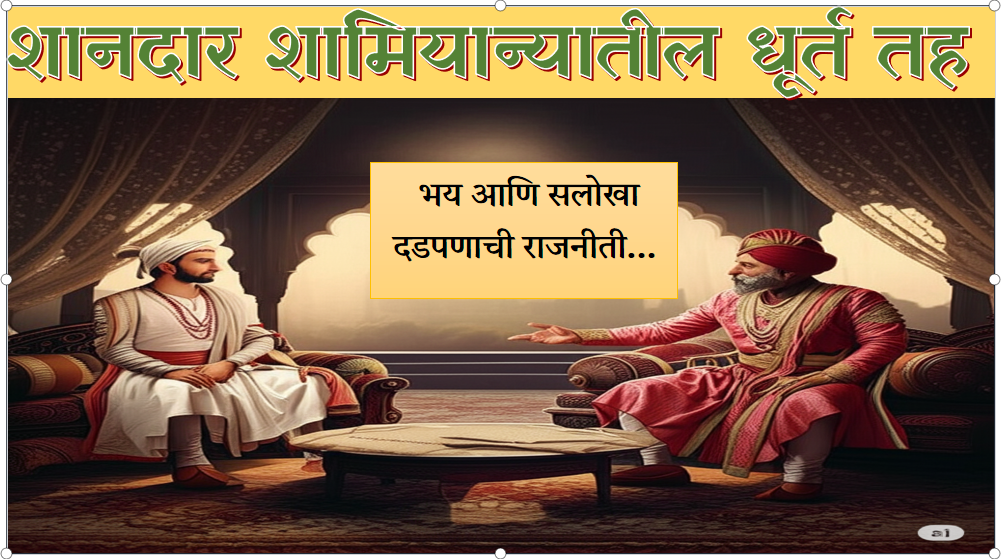
The Master Deception Plan: Strategic Role of Niraji Raoji, Hiroji Farjand, and Kavindra Paramanand
Execution Phase I: The Religious Ceremony, Crowds, and Infiltration out of Agra
Execution Phase II: Sighting at Narwar Post and Exfiltrating Prince Sambhaji to Mathura
Evasion Route Cartography: Distance, River Crossings (Sindh & Narmada), and Rest Relays (Sarais)
Safe Haven at Manohargad: Regrouping at Kauldeher / Chandwad and the Mobilization of 5,000 Cavalry
Modern Military Applications: Strategic Lessons in Evasion, Counter-Surveillance, and Exfiltration
The 22 July Breakout: Historical dispatches indicate Maharaj crossed the Sindh river near Narwar on 28 July, proving he had departed Agra long before 17 August.
Counter-Intelligence Masterclass: By maintaining a normal routine through trusted aides (Niraji Raoji, Prhalad, and Sambhaji Raje) and using forged official transit permits (दस्तक), the Marathas completely outmaneuvered Mughal intelligence (Khufiyanavis).
Strategic Relevance Today: Offers a case-study template for modern special operations exfiltration under heavy urban surveillance.
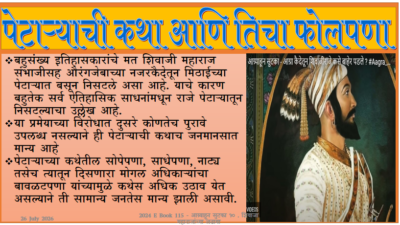
पेटाऱ्याची कथा आणि तिचा फोलपणा मिठाई ही वस्तू ठिसूळ असल्याने त्याची करंडी, पेटी वा पेटारा जर माणूस बसेल इतक्या मोठ्या आकाराचा व इतका भक्कम तरीही बाहेरून कोणी तलवार खुपसली तर आत आरपार जाईल पण मिठाई शाबूत राहील अशी असायला हवी. अशा करंडीवजा पेटीतून पलायन एक अति धोक्याचा प्रयत्न म्हणून अशक्य वाटतो. एक वेळी २-४ भोईच एक पेटारा घेऊन चौकाबाहेर पडू शकतात, पेटाऱ्यांप्रमाणे भोयांचीही कडक तपासणी होत असणार. त्यामुळे एखादा नवा भोई (जो आत आलाच नाही) पहारेकऱ्यांकडून ओळखला जाण्याची शक्यता अधिक आहे. शिवाय सर्वात महत्वाचे म्हणजे शिवाजी महाराजांचे राजबिंडे रूप आणि जरब! ते भोयाच्या वेशात लपून राहणे अशक्य आहे. (‘त्यांना पाहूनच हा माणूस राजाच असला पाहिजे असे वाटते’ असे वर्णन राजस्थानी पत्रात सापडते!)


No account yet?
Create an Account

Alka Oak –
Based on historical evidence, contemporary Mughal Akhbarat (court dispatches), and Rajasthan letters, the research reveals that Shivaji Maharaj actually departed Agra around 22 July 1666—nearly a month before the alarm was raised on 18 August 1666.
I found most probable escape possibilities. Vidyadhar